Showing posts with label Library of Congress. Show all posts

Thursday, October 11, 2012

Presidential Advertising

Image Source
With all the talk of Big Bird ads these days, I thought this was interesting and could start many different discussions in the classroom at any level. On the Library of Congress blog today, they mentioned a collection of Presidential Campaign Posters. Looking through them, there are some interesting ones that show signs of the times and the progression from simple to much more like current advertising. I could see many discussions ranging from who the ads are meant to target, what they reflect about the time period, changes over time, and more. The LoC is a great resource for primary source material such as this, so don't forget to check it when you are working on projects for audio, graphic, written, photographic, or other materials to make your lessons even more personal. 
 How have you used the Library of Congress or primary sources?

Wednesday, September 26, 2012

Jukebox from 'Back in the Day'

Photo Source
My kids always use the phrase "back in the day" when they are trying to ask me where books about earlier time periods are, I guess that must be a popular phrase among grandparents in the area maybe? Anyway, it popped into my head this morning when I saw this post on the Library of Congress blog for teachers. (Which, by the way, if you are not following, you should! There are so many resources there that you don't know about or forget about!)

The post was about their online Day by Day jukebox, which I had not seen before. You can choose any date ( I think the default is today's date) and see recording from many years in the past available to play online. What a great addition to calendar time in the mornings, music class, math lessons (how many years ago was this recorded, what is the beat, etc.), social studies (time periods in history), etc. Those are just the first ideas that popped into my head. The first recording for today is from 1905.

If using the Day by Day feature is not what works best for you, you can also search by several different methods including by artist, genre, playlist, etc. There is a brief First Time Here review also. This would allow you to use it as more of a unit. For example, we talk about Marian Anderson with Black History Month and there are several recordings here by her, so you can let students actually hear her singing.

How could you use this in your classroom?

Monday, February 20, 2012

Happy Presidents' Day!

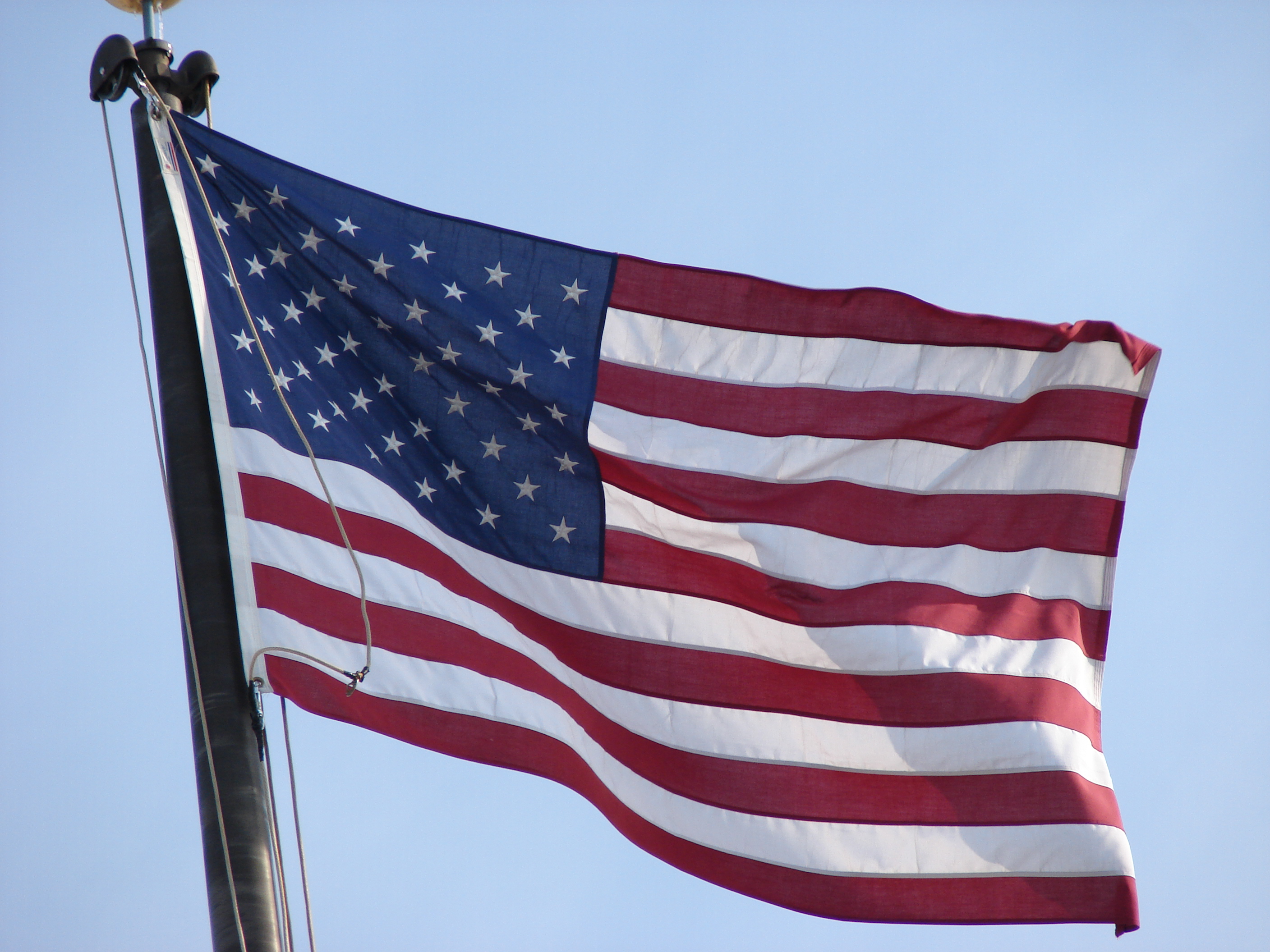
Square USA Flag

Bring the past to life with this primary source set from the Library of Congress! It includes primary sources about Washington, Lincoln, and Jefferson. You can show students things like famous portraits, documents, monuments and more. There are analysis tools available also. There is even a teacher resource guide here that includes information about each of these presidents along with other source suggestions from the LoC. Check it out!

Tuesday, January 17, 2012

A Glimpse Into George Washington's Life

Image 117 of 377, Matthew Morris to George Washington, October 19, 1
Source from Library of Congress
October 19, 1776
It is amazing the things you can learn from scraps of paper. I am a scrapbooker and my husband is always saying to use more scraps! Use receipts, tickets, etc to make the story more complete, he says. In this case, you can learn so much more from simple receipts and scraps of paper. The Library of Congress has a collection of George Washington Papers. These papers include these scraps and things to give you a picture of his life and the life of those around him. For example, this single receipt gives you a host of information about a woman named Martha Morris who once did his laundry and gave him a receipt on Oct. 19, 1776.  You can look at the information you can gather from this simple receipt and think about the clues to who Martha Morris might have been. You can also work with students to look at where this was (New York) and why he would have been there. Compare what might have been her experience with what Washington did in the war, or write a fictional bio of her using what you know.

I think just seeing what writing looked like or seeing paper that was touched and held and used by someone so long ago is a great way to get students interested in the past. It makes it come alive and seem like more than just a story in a history book. Especially thinking about other regular people like you and me that might have interacted with someone like George Washington. What happened to her? Who was she? I would love to know.

Sunday, January 15, 2012

Jump Back in Time

Using the America's Story section of the Library of Congress resource, you can click into the Jump Back in Time feature. (I have talked about other parts of America's Story before here and here if you are interested and missed them.) Using the Jump Back in Time feature, there are a lot of neat things you can do. Of course, the main part included links to all the major historical eras of the United States, broken down into sections from 1492 to present day. Each era link will take you to information along with many links to other stories related to the same time period. I like the way this is done because you can see history as a string of many stories that fit together rather than a bland history book paragraph listing the things that happened.

Super Sleuth gameThere is also a Fact or Myth question when you are on the main page with a different question each time you visit the page. It explains why it is a fact or myth. You can also choose a date to visit to see important things from that day. It suggests using your birthday, but this could also be fun to do each day to see what happened that day. You could also do the Fact or Myth question and use both as an opener to the day or something for those last few minutes after you pack up at the end of the day. The Super Sleuth game is fun but short. Famous photos of historical people have had something added to them that doesn't fit the time period and students have to find it.

This is a great place to start with introducing a time period, giving context to an era a book might be set in, or just for the history buffs!
usflag123.jpg - Proudly we wave
Source

Thursday, January 12, 2012

American Revolution

Fifth grade is working on the American Revolution, so I started hunting for resources that help teach it. The best one I found, (also known as the most fun one!) was this game. It lets students role play as an apprentice during the time leading up to and during the Revolution to see the sides of the patriots and loyalists, the Boston Massacre, and more. There is a short 3-4 minute video about the site giving a synopsis here. I have not played it all the way through, it takes a few hours at least, but what I have played looks like it would involve students and give them a good first hand look at the perspectives in that time period. There are a ton of good resources here including links to primary sources, documents to use with the game, teacher planning information, and more.

I created a comparison sheet for students to use in the media center to compare American and British forces using this PBS site. It also gave them information where they could choose three people that impacted the time period and research more about them. I asked them to also choose a time period and find events that led up to or ended the Revolution in this part of the site. There are lots of other parts of the Revolution covered here as well. Here is what one student came up with when comparing American and British troops to give you an idea of the assignment.


There are so many aspects of the Revolution to cover. Here is a list of people that impacted the time period if you wanted to do biographical research. Here is a lesson using artifacts. This site has so many artifacts you can show students to bring the past to life you won't be able to use them all! This lesson has a game for kids to play to match items different people in camp would have used with the type of person, which can be an interesting opener to how different some things are today. The Library of Congress has some good resources of course. The Archives also have some sources. And, of course, no unit is complete without a rap about it!

The Midnight Ride of Paul Revere is a way to bridge poetry and the American Revolution. You can see a map of his ride here and the real story here. Paul Revere himself summarized his actions as you can see here.

What are some of your favorite activities or resources for the American Revolution?

Wednesday, December 21, 2011

Local Legacies

I recently posted about America's Story resource on the states, but there is another Library of Congress resource that can be invaluable with some of the new curriculum changes. Local Legacies is a site that has compiled information submitted about local festivals, celebrations, etc. listed by state. Just click on the state you want to look at or you can search by key words. With new social studies standards that address local celebrations and culture such as these, this will be a helpful site. The North Carolina section has over 35 different listings as of this posting including the state fair, Old Salem, Eastern Music Festival, and so many more. One key note - these listings were compiled in the Spring of 2000 as a sort of time capsule, so as time passes, information may become outdated, but can still be of value even then to compare. Take a look!

Monday, December 19, 2011

Meet Amazing Americans

America's Story, a resource from the Library of Congress, has too many elements to cover in one post. I already talked about the Explore the States section in an earlier post, now let's look at the section Meet Amazing Americans. In addition to a short game called Dynamite Presidents about Mount Rushmore, there are links to lists of famous Americans from leaders and presidents to musicians and activists to enterpreneurs and inventors, and more! This would be a great place to start to think of people to fit a group you might want students to research. Our third grade is working on economics and may do something about entrepreneurs. Each link to groups of famous Americans lists several people. When you click on a name, you get some basic biographical information along with links to other articles relating to that person to help broaden the context of their life. I would suggest looking to see who is included however before assigning a name to students to make sure they are listed. Another option would be to let students just browse the groups and choose someone who interests them.

Our second grade does a big Harlem Renaissance project every year, so for example, let's use Langston Hughes. You see his basic information along with links to things like his early years, information about being a Renaissance Man, from busboy to poet, and other links that help put the basic biographical information into a bigger context of the Harlem Renaissance but still on a student level.

Explore the States

America's Story from America's LibraryThe Library of Congress has so many awesome resources that I will probably be posting about some of them for quite some time! One that I came across today is part of the America's Story resource called Explore the States.  This would be a perfect resource for 5th grade as they look at different states, or for 4th grade to study just North Carolina. You can click on the U.S. map for any state, then get a short paragraph of information about it, but more importantly, lots of good links to give you a good idea of the history and stories about the state. This is not the site for information about things like state symbols, but for more interesting stories and pieces about a state, this is a great place to start.
Let's use North Carolina as an example. Links include information about Kitty Hawk and the Wright Brothers, the Lost Colony, wild horses at Shackleford Banks, and the Lexington Barbecue Festival (among others). These are good links to give you a flavor of the state, more than the state seal. These are the things kids are going to be drawn in by and remember more than the state flag.

Another great use for this site would be to add to books you might be reading. If you are reading a book with a dog sled race, check out the Iditarod link from the Alaska page. If the book talks about the Dust Bowl, check out the Oklahoma page. There is even an audio file of someone who lived through it talking about her experience. A story with an immigration through Ellis Island? Check out the New York page to read about Ellis Island and living in crowded conditions.

Check out the resources here today!

Walking in a Winter Wonderland

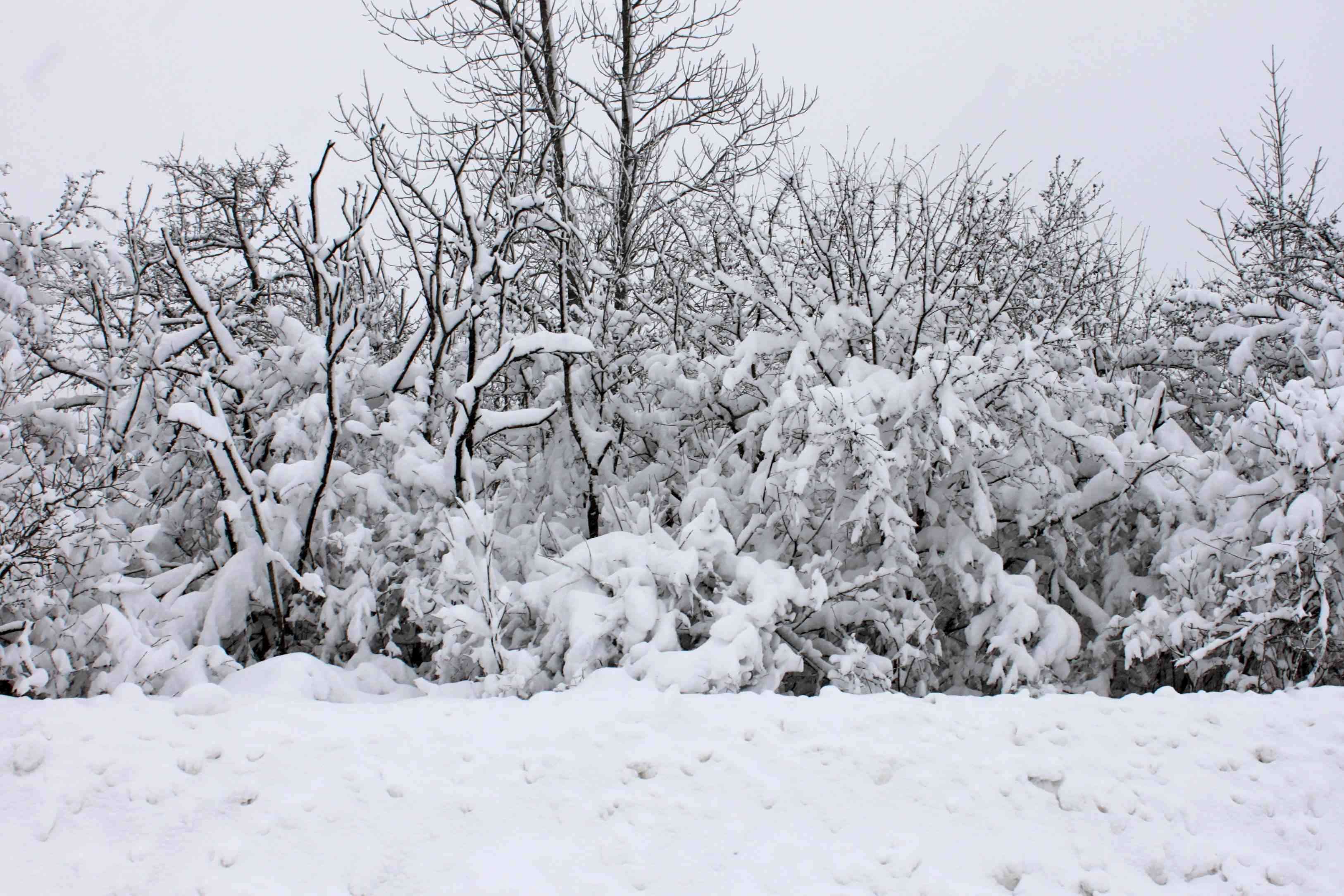
snow1.jpg - Winter
Picture by Colleen Kelly
We don't usually get a white Christmas here in North Carolina, but it is still a fun time to talk about winter and snow, especially if you have kids that can't talk about Christmas or holidays. There are so many different ways to talk about snow and winter - snowflakes with math shapes, tracking snowfall in different areas, biographies of people like Snowflake Bentley, looking at how people deal with snow now versus in the past, weather elements of how snow is made, how animals adapt to survive winter, and so much more. In addition, there are many picture books about snow that can bring in various literary elements, poetry about snow, writing about being stuck in a blizzard or your snowman coming to life. The possibilities are endless. 

Here are some resources that might help with some of these areas. The Library of Congress has several resources such as this Science Reference Guide on snow that includes photos of snowflakes, links to many websites, and suggested reading titles. NOAA has a photo library also of snowflakes. Snow Crystals includes a lot of snowflake pictures, ice and snow activities, myths about snow, activities for kids, and more. The official Snowflake Bentley site has a biography, links to use, and a snowflake matching game, while the Buffalo Museum of Science also has a large section about him including biographical information, photos, and more. The Library of Congress also hosts Everyday Mysteries, here is one about how it is possible that no two snowflakes are alike. You could also show students this picture of a snow gauge from a 1917 book and see if they can guess what it is.

Some of my favorite books about snow to read with students are Owl Moon, Snowy Day, Stranger in the Woods, Snowmen at Night, The Biggest Best Snowman, Katy and the Big Snow, and Snowballs. Here are some links to other title lists about snow and winter also. Best Children's Books About Snow and Winter, Children's Poetry Books About Winter, and Delightful Children's Books all list good titles for snow.

Some fun introductory activities online might be making snowflakes here or here, other snowflake integrated activities, or check out Wonderopolis! There are many Wonderopolis wonders about snow such as the difference between snow, sleet and freezing rain; why all snowflakes are different; why we put sand or salt on roads when it snows; and why different states have different weather.

So heat up the hot chocolate and start a trek through a winter wonderland!
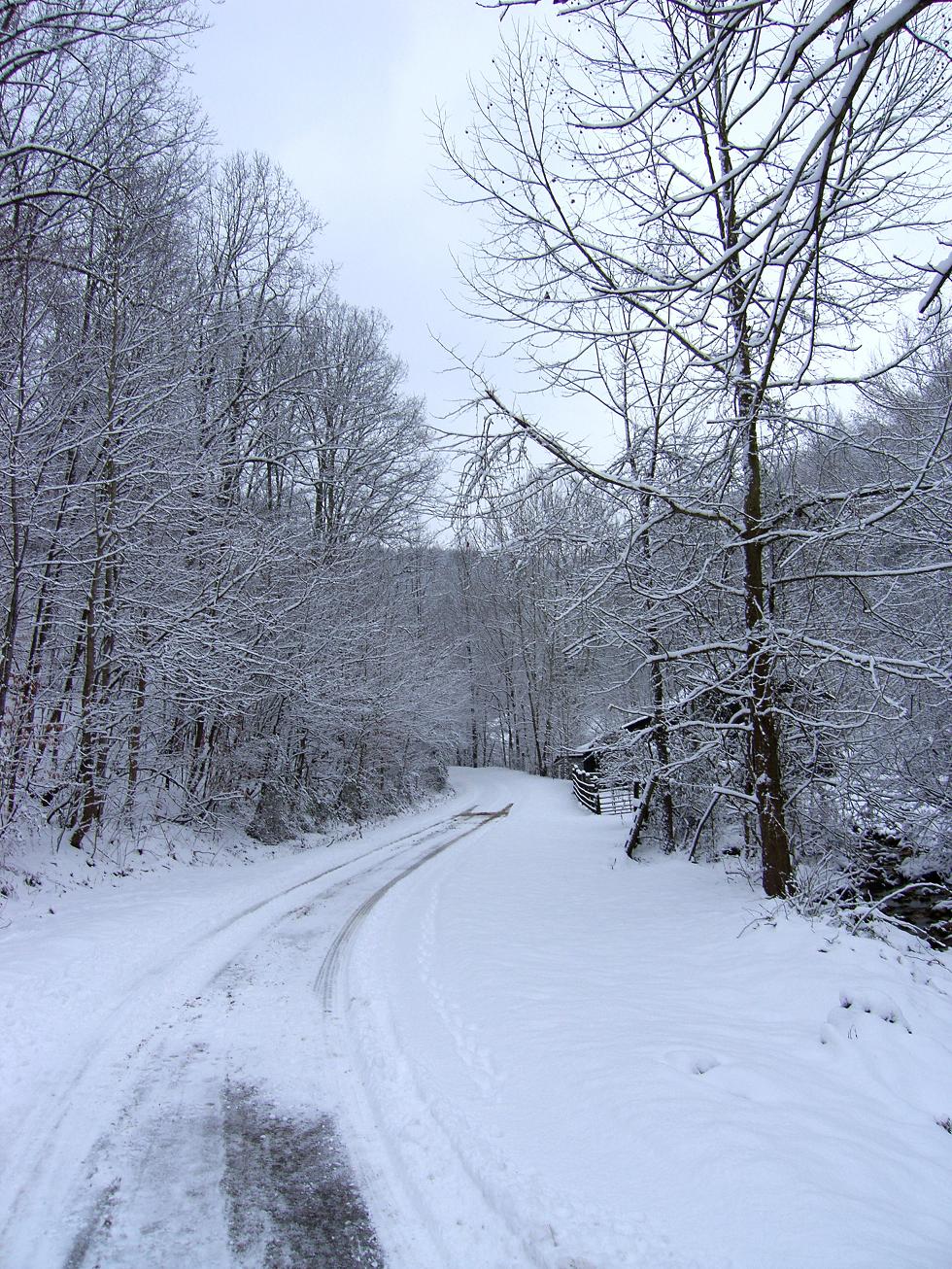
winterroad.jpg - Winter Road
Picture by Darryl Abner

Thursday, December 8, 2011

Recordings of Christmas Past

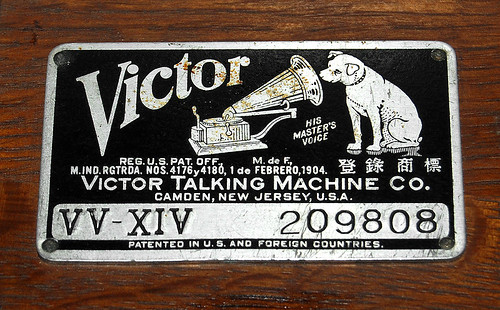
The Library of Congress Jukebox is a collection of historical recordings, mostly from record labels now owned by Sony music who granted permission for the LOC to stream them to the public free of charge. Over 10,000 recordings made between 1910 and 1925 can be found here. They were recorded by the Victor Talking Machine Company, which used large horns to gather the sound and etch it onto wax discs. Find out more about the project here and more about the process of recording here.

Victor Talking Machine Company
Photo Source

All of this brings me to a current use for the Jukebox, Christmas recordings. If you do a search on the Jukebox for Christmas, you get quite a few results. These range from spoken recordings of the Night Before Christmas to The Newsboys Christmas to bible readings and carols. It is a neat way to bring the past into the classroom in a quick way. They even sound like ghosts of Christmas past with the recording scratches and static in the background.

Singing school conducted at Jacksonville as part of six-day Extension school in August, 1915. ...
Photo Source

This is also a good way to talk about technology advances, changes in how we communicate, and ways things have stayed the same as well. Showing students a picture of how recordings were made and discussing the process is sure to surprise them. I have no doubt they will be able to tell you several different and easier ways to record in our current day.

Don't wait for your perfect Christmas unit to utilize the jukebox though, you can browse by artists, genres, or playlists plus there are search and advanced search options. Find something for your students today, have them close their eyes, listen, and be transported to the past. Don't forget to also search for an image of the artist to show students who they are listening to.

Wednesday, November 9, 2011

Primary Source Sets from the LoC

Everyone is talking about the new Common Core Standards. They include more standards that coincide with our  information and technology essential standards. One area in particular that is included more is using primary sources. It can be difficult to find and use primary sources sometimes, so it was like finding a treasure chest when I found out about the Primary Source sets for Teachers from the Library of Congress. These include many topics including the Wright Brothers, Jamestown, the Harlem Renaissance, Abraham Lincoln, and so many more. There is even a set for Thanksgiving that includes things like paintings of the First Thanksgiving, Abe Lincoln and George Washington's proclamations for Thanksgiving, and Sarah Hale's letter to Lincoln discussing a national day of Thanksgiving.

The first Thanksgiving 1621

  • Title: The first Thanksgiving 1621 / J.L.G. Ferris.
  • Creator(s): Ferris, Jean Leon Gerome, 1863-1930, artist
  • Date Created/Published: Cleveland, Ohio : The Foundation Press, Inc., c1932.
  • Medium: 1 photomechanical print : halftone, color.
So check it out and get some great additions to lessons!

Wednesday, October 12, 2011

Making Connections to the Past

At a conference last week, I was inspired by so many other media folks with great lessons and ideas, so I had to come back and start trying some out. One session I attended was about using images and documents from the Library of Congress along with historical fiction or other curriculum to bring time periods to life for students. I came back and right away asked some of the upper grade teachers for topic areas they had coming up to try it out with and heard the Wright Brothers from 4th grade. Here is an Animoto I made to kick start that unit later this year.